National Pingtung University of Science and Technology / Assistant Professor Chia-En Yang
Pain Points Solved
Conventional sports beverages primarily contain carbohydrates and sugars as their main ingredients. In contrast, the protein sports beverage developed in this study contains protein, sodium, sugars (glucose and sucrose), and vitamins. The principal difference between the two formulations lies in the presence of protein. Most commercially available sports beverages do not contain added protein, whereas the beverage formulated in this study includes protein supplementation. Experimental findings confirmed that the addition of protein significantly improved post-exercise inflammation and fatigue recovery in athletes.
Technology Introduction
Using near-infrared spectroscopy (NIRS), we observed that total hemoglobin (tHb) and oxygenated hemoglobin (O2Hb) levels in the quadriceps muscle were higher in the protein sports beverage group than in the regular sports beverage group during post-exercise recovery, indicating superior oxygen delivery to the muscle. Regarding deoxygenated hemoglobin (HHb), although the protein beverage group showed an increasing trend in muscle oxygen consumption, no significant difference was found between groups. In terms of the tissue saturation index (TSI), the protein sports beverage group demonstrated a significantly higher level, reflecting greater muscle oxygen utilization compared with the regular sports beverage group.
Blood fatigue and oxidative stress markers, no significant differences were found between groups in superoxide dismutase (SOD) activity before exercise, immediately after exercise, or two hours post-exercise. Malondialdehyde (MDA) levels did not differ significantly between groups before exercise or two hours post-exercise; however, immediately after exercise, the serum MDA concentration was significantly lower in the protein sports beverage group than in the commercial sports beverage group. There were no significant differences in creatine kinase (CK) or lactate dehydrogenase (LDH) levels before or immediately after exercise between groups. Nevertheless, two hours post-exercise, serum CK and LDH concentrations were significantly lower in the protein sports beverage group than in the commercial sports beverage group.
In summary, the findings indicate that the formulated protein sports beverage enhances post-exercise muscle oxygen delivery and utilization, allowing muscles to maintain a more favorable oxygenation status during recovery. Although muscle oxygen consumption showed an increasing trend, the overall improvement was not statistically significant. In terms of recovery and antioxidant capacity, baseline antioxidant status did not differ substantially between groups; however, immediately and two hours after exercise, the protein sports beverage reduced oxidative stress and muscle damage markers, suggesting its potential to attenuate fatigue accumulation and promote post-exercise recovery.
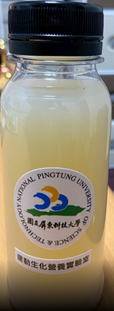
Figure 1. Protein-containing sports beverage product image.
Currently in discussion with a food company and preparing for mass production and commercial launch.
Application Examples
This technology can be applied in two major areas: competitive sports recovery and metabolic health promotion. In empirical studies involving table tennis athletes, the homemade protein sports beverage improved muscle oxygen supply efficiency and oxygen utilization during post-exercise recovery after high-intensity exhaustive exercise. It also reduced oxidative stress and muscle damage biomarkers, suggesting potential in shortening fatigue recovery time. In practical applications, it can be incorporated into recovery nutrition strategies during congested competition schedules or post-high-intensity training, such as immediate supplementation after interval training or competition to maintain subsequent training quality and physiological regulation. Although no significant improvement was observed in single-session technical stability, the beverage contributed to physiological recovery, which may support long-term training adaptation and performance maintenance.
In metabolic disease animal models, combining aerobic exercise with protein beverage supplementation improved fasting blood glucose levels, reduced abdominal fat accumulation, and decreased lipid peroxidation stress while enhancing skeletal muscle glucose transporter expression, thereby promoting glucose uptake and metabolic regulation. These findings suggest that the beverage possesses potential antioxidant and metabolic regulatory functions and may serve as a non-pharmacological nutritional adjunct for individuals with type 2 diabetes. Overall, this product demonstrates dual application potential in exercise recovery and metabolic health, with prospects for extension to competitive athletes, general fitness populations, and individuals at high risk of metabolic syndrome.
Related Links
None
Patent Name and Number
Method for producing a protein-containing sports beverage with anti-fatigue effects, Patent of the Republic of China, Invention Patent No. I888787, 2025/07/01–2043/01/17.
Industry-Academia / Tech Transfer Partner
None
Honors and Awards
None
Technical Contact
Joan Li, Project Manager
National Pingtung University of Science and Technology
Tel: +886 8-7703202 ext. 6571
Email: joanli@mail.npust.edu.tw