﹤Smart Agriculture﹥Development of Functional Fruits and Vegetables - Using Low-Potassium Fruit and Vegetable Development for Kidney Patients as an Example
National Pingtung University of Science and Technology / Assistant Professor Hsin-Ying Chung
Pain Points Solved
Taiwan currently has the highest incidence rate of ESRD (End-Stage Renal Disease) in the world (458 per million people). According to Taiwan's National Health Insurance data, as of January 2018, there were 826,365 people with chronic renal failure (uremia) requiring regular dialysis, representing a growth of 3.66% compared to the same period the previous year; thus, kidney disease is becoming an increasingly serious disease in Taiwan year by year. Chronic Kidney Disease (CKD) patients often suffer from hyperkalemia, and nutritional therapy with a low-potassium diet is an important clinical treatment method (Saxena, 2012). According to Cano et al. (2009), the recommended daily potassium intake for CKD patients, depending on severity, is 1500~2500 mg per day. Research by Chung et al. (2018) pointed out that if low-potassium lettuce contains less than 80 mg/100g (reducing potassium ions by about 80%), and assuming a patient consumes 200 grams of raw lettuce per day without adjusting other parts of their diet, they can achieve a daily potassium intake of 2310 mg. For end-stage renal disease patients, it is hoped that daily potassium intake be lower than 2000 mg/day; therefore, consuming fruits and vegetables with lower potassium content is a feasible method for this population. This work designs a smart plate system and a plant factory cultivation system. Patients can order lettuce and melons with potassium content suitable for them from the plant factory. The smart plate system can record the amount of food consumed, allowing users to clearly grasp their daily potassium intake. The first step of this project will be to establish standard operating procedures for the cultivation of low-potassium lettuce and low-potassium melons, and the second step will be to proceed with building the smart plate system.
Technology Introduction
Netted melons and lettuce are high-potassium fruits/vegetables. Potassium (K) is crucial for the normal function of human muscles, the heart, and nerves. About 90% of potassium in the human body is usually excreted by the kidneys, but patients with chronic kidney disease need to control their daily recommended potassium intake to 2~4 g; otherwise, they may suffer from hyperkalemia, causing adverse effects on the body. 1. Edible Raw Low-Potassium Lettuce: Potassium ions below 80mg/100g, sodium ions below 30 mg/100g, nitrates below 2500 mg/kg. 2. Lightly Cooked Low-Potassium Vegetables: Potassium ions below 200 mg/100g (boiling reduces it by 60%). 3. Low-Potassium Melon: Potassium ions below 288 mg/100g.
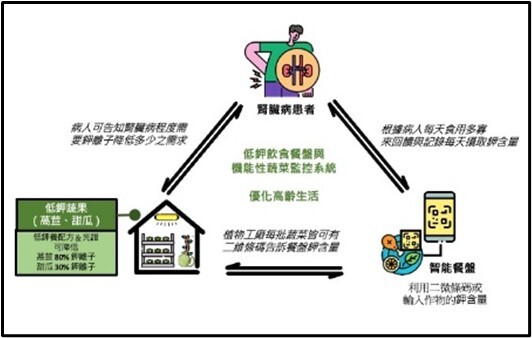
Figure 1. Conceptual diagram of low-potassium fruit and vegetable technology development.
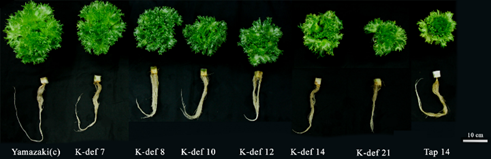
Figure 2. Influence of the number of weeks of potassium-free nutrient solution treatment before harvest on lettuce growth (bar=10cm).
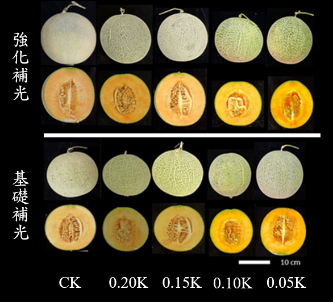
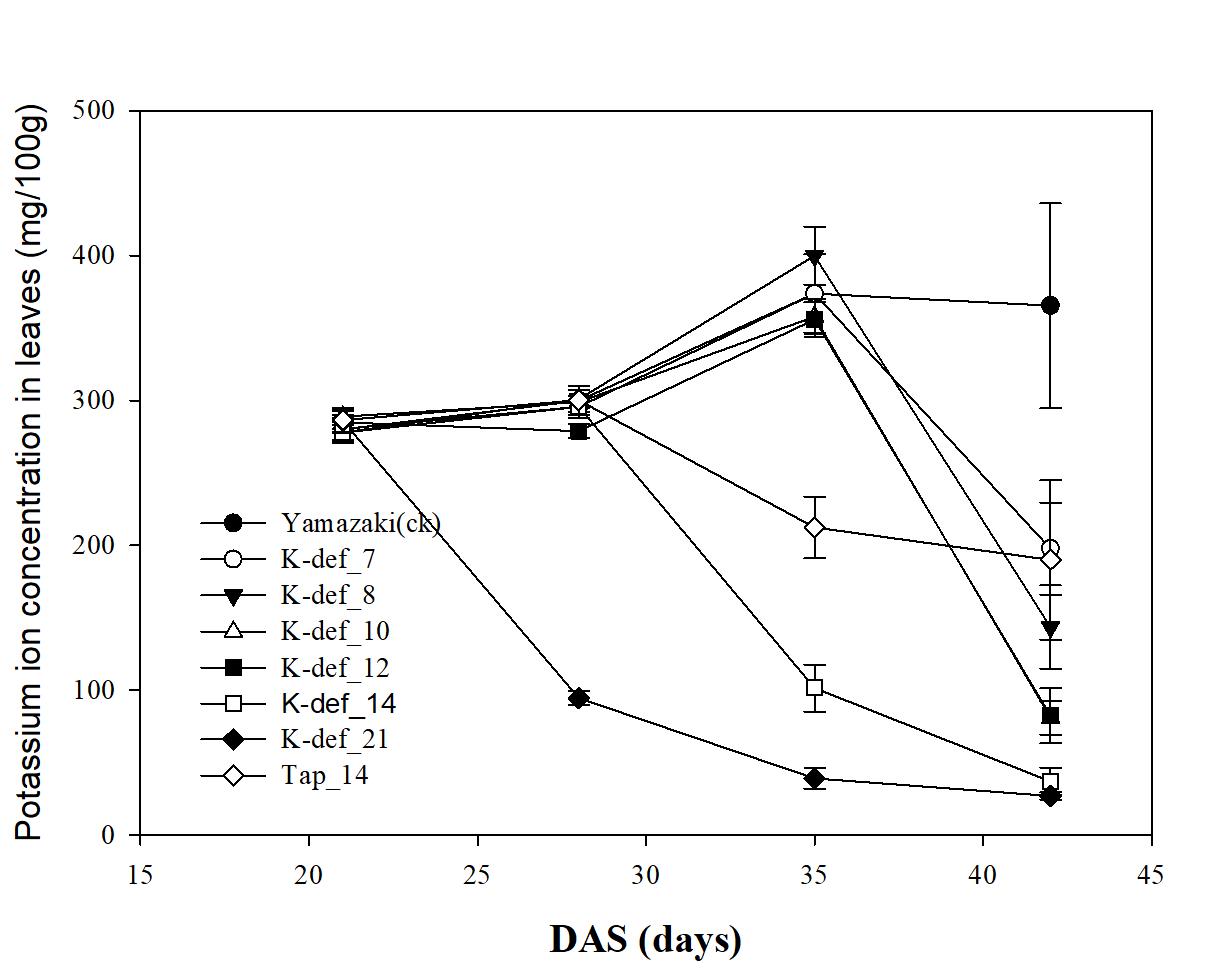
Figure 2. (Left): Fruit morphology under different potassium reduction treatments with enhanced supplemental light and basic supplemental light. Caption
(Right): History of potassium ion changes in leaves of Xiangbo green lettuce cultivated under different processes for 6 weeks.
Application Examples
Dialysis centers or medical institutions can formulate fruits and vegetables suitable for dialysis patients.
Related Links
None
Patent Name and Number
I859004
I863698
I856871
Industry-Academia / Tech Transfer Partner
None
Honors and Awards
None
Technical Contact
Joan Li, Project Manager
National Pingtung University of Science and Technology
Tel: +886 8-7703202 ext. 6571
Email: joanli@mail.npust.edu.tw