﹤Smart Manufacturing、Mechanical and Electronic Engineering﹥Vibration Stage Structure for Grinding Machine
National Pingtung University of Science and Technology / Professor-level Professional Technician Huang Wei-Tai
Pain Points Solved
Currently, ultrasonic vibration-assisted technology is mostly concentrated in cutting processes and rarely extended to the grinding field. Grinding, as the final finishing step in the manufacturing process, provides surface precision and quality superior to other machining methods. With the emergence of new materials and increasing demands for product performance and quality, grinding technology has become a key focus of precision manufacturing. However, research on Ultrasonic Vibration Assisted Grinding (UVAG) remains relatively scarce. Currently, there are only a few prototype systems internationally, most of which suffer from being bulky, structurally complex, energy-intensive, and having low vibration efficiency, lacking practicality and convenience, leaving a gap before actual industrial application.
The core innovation of this patent lies in: Using intelligent modeling to optimize the vibration excitation system, developing the world's first system capable of achieving maximum amplitude at the lowest ultrasonic frequency of 20 kHz, while significantly reducing energy consumption. This design differs from most existing domestic and international vibration systems that rely on high-frequency, high-power drivers. It successfully breaks through the limitations of traditional UVAG systems regarding bulkiness, difficulty in setup, non-adjustable frequency, and excessive energy consumption, demonstrating extremely high potential for industrial application.
Technology Introduction
This patented technology primarily improves upon the practical application deficiencies of existing ultrasonic vibration-assisted grinding systems. It overcomes problems such as the bulkiness of traditional systems, inconvenient installation, inability to adjust frequency, and high energy consumption. The energy-saving, high-efficiency ultrasonic vibration-assisted grinding system developed in this research employs intelligent modeling to optimize the geometry of the vibration system, enabling it to reach maximum system amplitude at the lowest ultrasonic frequency of 20 kHz.
Adopting an add-on modular design, it can be promoted and sold separately and easily installed on various domestic and foreign grinding machine tools. This significantly enhances the machining performance and benefits of the original grinding machines without the need for large capital investments to purchase dedicated ultrasonic vibration-assisted grinding machines.
Furthermore, this technology possesses a complete theoretical foundation and practical application value, making it particularly suitable for processing special materials such as high-hardness alloys. Its application can effectively improve grinding efficiency, assist the manufacturing industry in reducing carbon emissions, achieve carbon neutrality goals, and contribute to the development of green manufacturing technologies in related industries.
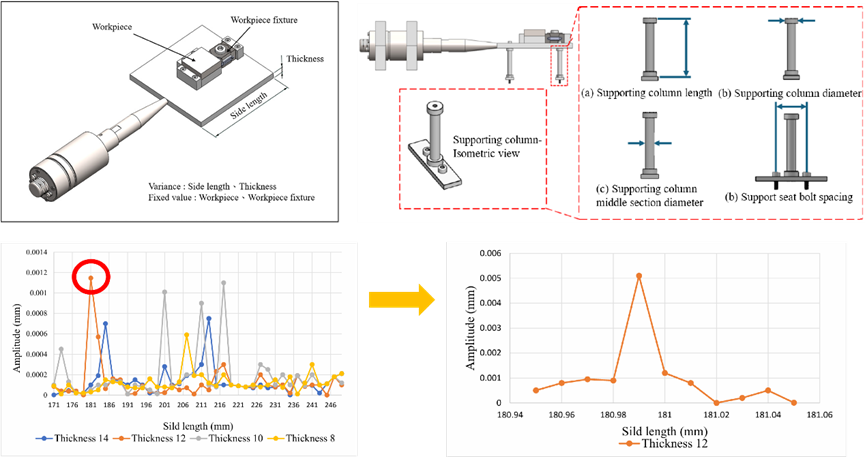
Figure 1. System vibration stage and flexible support column geometry CAE modal optimization design and analysis.
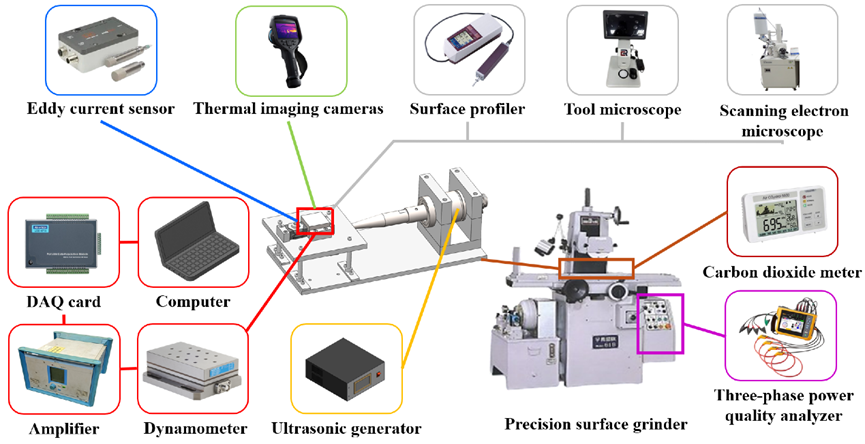
Figure 2. Overall system measurement equipment diagram.
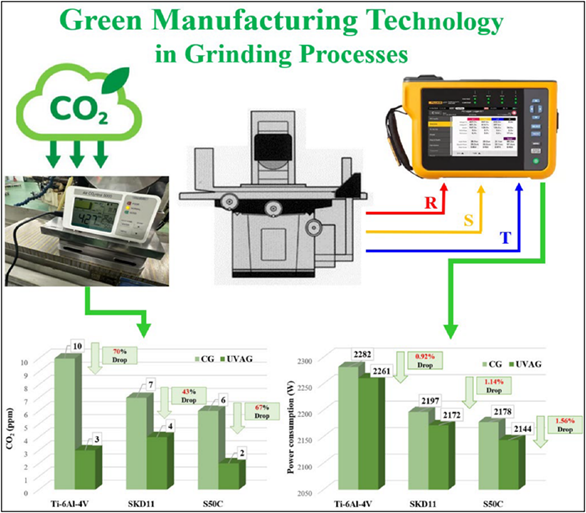
Figure 3. Comparison chart of energy saving and carbon reduction benefits using the system for grinding.
Application Examples
This technology has been verified through cooperation with the Metal Industries Research & Development Centre (MIRDC) and multiple industry partners (e.g., Shuang Lin Precision Machinery, Hsiang Guan Enterprise) and has been promoted for application in the aerospace industry. In the future, it can be further introduced to domestic and foreign grinding machine tool manufacturers as standard equipment to strengthen the competitiveness of the machine tool industry.
For industries highly dependent on hard alloy grinding, such as aerospace and semiconductors, this patented technology has high practicality and urgent application value, and can assist industries in achieving Net-Zero Emissions goals.
Related Links
None
Patent Name and Number
ROC Patent, Invention No. I893870, 2025/08/11 – 2044/06/25
Industry-Academia / Tech Transfer Partner
None
Honors and Awards
Taiwan Innotech Expo Invention Competition
Technical Contact
Joan Li, Project Manager
National Pingtung University of Science and Technology
Tel: +886 8-7703202 ext. 6571
Email: joanli@mail.npust.edu.tw