﹤Biotech & Biomed Innovation﹥Pet Intraoperative Contrast Agent and Drug Response Prediction
I-SHOU University / Prof. CHUNG-KUN YEN
Pain Points Solved
Current Market Pain Points: The cost of pet cancer treatment is high, choices are limited, and there is a lack of dedicated precision medical technology for pets. Current methods rely on human gene mutation data, which has low applicability. Existing cancer detection methods (hematology, pathology, imaging) suffer from issues such as latency, high cost, and low accuracy.
Solution: Fluorescent carbohydrate tumor imaging technology can rapidly and accurately mark tumor cells, assisting in determining the tumor scope during surgery. Cancer cell drug sensitivity detection technology uses high-purity live cell analysis to provide personalized drug predictions, increasing treatment success rates.
Market Trends: The trend of declining birth rates has increased owners' attention and spending on pets, driving growth in the pet medical market. The US pet cancer market valuation exceeded $1 billion in 2023, and the Asia-Pacific market is expanding. The popularization of pet insurance will further drive demand for precision medicine. Live cell-based drug sensitivity testing enhances precision medicine, allowing veterinarians to provide optimal treatment plans based on individual animal cancer characteristics.
Technology Introduction
The core technology is the "Fluorescent Carbohydrate Contrast Agent." Its molecular weight is only about 0.4 kDa, allowing it to rapidly penetrate tissues and selectively accumulate within tumor cells. It produces naked-eye visible aqua-blue fluorescence under UVA excitation light.
Compared to clinically used ICG or 5-ALA, this product offers advantages such as fast imaging speed, clear imaging boundaries, low background interference, and no need for expensive or special equipment. It effectively improves the precision of lesion identification during tumor resection. Its imaging effect is intuitive and operation is simpler, reducing clinical usage barriers and costs.
In addition to tumor resection surgery, this contrast agent can extend to clinical scenarios such as blood flow monitoring, organ injury localization, and lymph node tracking, assisting surgeons in judging physiological states in real-time and improving operational precision. Overall, this technology breaks through the limitations of current fluorescent contrast agents, providing an innovative solution with both diverse applications and clinical practicality, poised to become a new generation imaging tool widely adopted in veterinary surgery
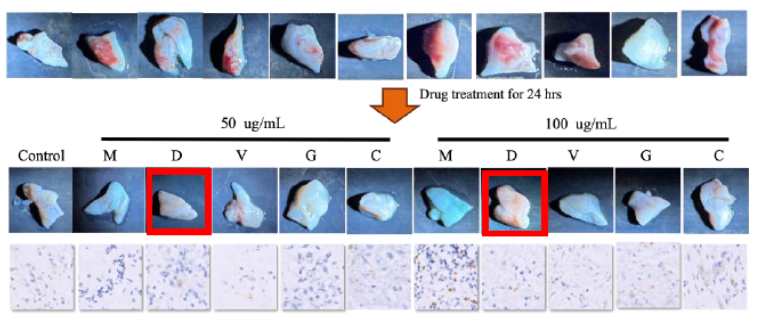
Figure1. Tumor Imaging, Direct Drug Response
Application Examples
Primarily applicable to tumor surgery in companion animals such as dogs and cats, including soft tissue sarcomas, mammary tumors, subcutaneous tumors, and other malignant tumors requiring clear resection margins.
Simultaneously used for intraoperative vascular perfusion monitoring, organ injury localization, and lymph node tracking, enhancing surgical precision and safety. This product can reduce the risk of residual tumors, shorten surgical time, and improve postoperative recovery.
Related Links
None
Patent Name and Number
- Use of Fluorescent Saccharide-Based Derivative: TW I506269B
- USE OF FLUORESCENT SACCHARIDE-BASED DERIVATIVE US8895261B2
- Use of Fluorescent Contrast Agent for Angiography and Intraoperative Tumor Imaging: US Provisional Patent Application 63/875,542
Industry-Academia / Tech Transfer Partner
Industry-Academia: San Heh Pharmaceutical Corporation STSP Branch.
Honors and Awards
National Innovation Award
Technical Contact
Yu-Hui Huang, Manager
I-SHOU University
Tel: +886 7-6577711 ext. 2194
Email: yuhuihuang@isu.edu.tw